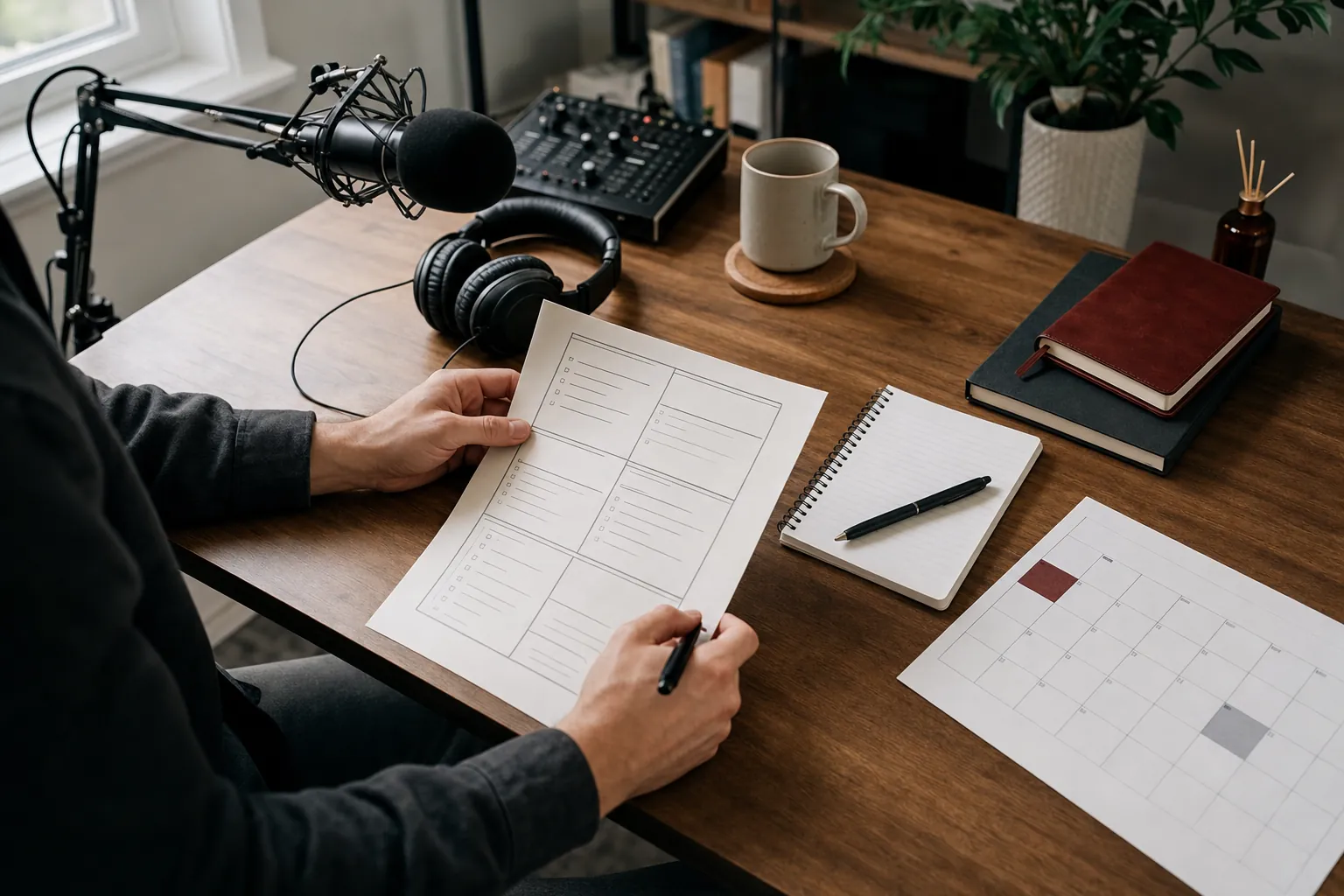
Launching a podcast is not a matter of buying a microphone and pressing record. The shows people stay with have a reason to exist, a voice they can recognize and a production rhythm the host can actually sustain. Start there, and the technical decisions become much easier.
This checklist is for organizations, experts and independent hosts who want a show that feels considered from its first episode. It is deliberately practical: build the idea, test it in the room, prepare the release, then create a repeatable way to keep going.
1. Start with the listener, not the equipment
Before choosing a name, format or platform, answer one question clearly: who should make time for this show? A good audience description is specific enough to guide decisions. "People interested in leadership" is broad. "New managers who need candid examples of how experienced leaders make difficult decisions" gives you something usable.
Then define the exchange. What will the listener understand, feel or do differently after an episode? Your answer may be practical advice, access to a distinctive point of view, a sharper explanation of a complex issue or a conversation they could not get elsewhere. If the benefit is fuzzy, the episodes will drift.
Write a short promise for yourself, not a slogan. It should explain the subject, the listener and why you are the right person to convene the conversation. That promise becomes the test for guests, recurring segments, episode titles and promotion.
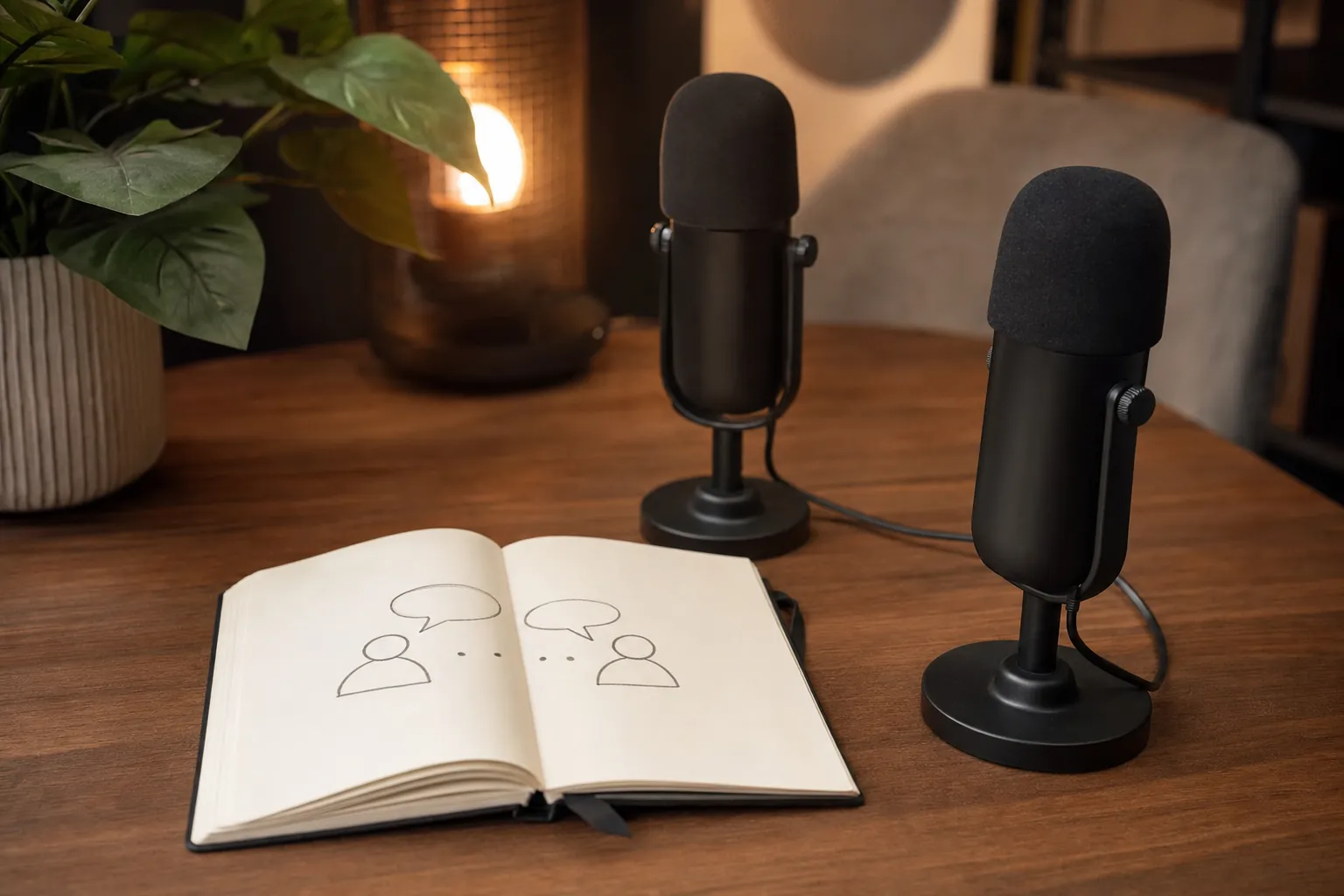
2. Choose a format you can keep making
A format is the repeatable shape of the show. It can be a hosted interview, a short solo briefing, a roundtable, a narrative series or a mix that has clear rules. The most impressive format on paper is useless if it takes three weeks of preparation for every episode and you only have time for one week.
Choose a length that suits the subject rather than copying another show. A focused expert answer may be strongest in 15 minutes. A thoughtful interview may need 35 minutes. What matters is that the listener knows what kind of commitment they are making, and that each episode earns it.
Plan the opening and close as well. A reliable opening tells the listener why this episode matters. A close can point them to a practical next step, another episode or a way to continue the conversation. The show does not need to sound over-produced, but it should not sound accidental.
For a fuller view of the early decisions, Mark's podcast launch process covers the work from initial concept through distribution.
3. Build a short first season or opening run
Do not plan only episode one. Map a small opening run of topics before you record anything. This reveals whether the idea has depth, where the strongest guest conversations are likely to come from and whether your first release makes a coherent invitation to subscribe.
For each planned episode, write one sentence that explains its value to the intended listener. Avoid vague topics such as "a conversation about innovation." A stronger brief says what question the episode answers, whose experience makes it worth hearing and what makes it different from the previous episode.
Keep the first run realistic. It is better to make four clear, well-prepared episodes than to announce a grand series and then lose momentum. The early work should give you room to learn what preparation takes, what editing is needed and what kind of follow-up listeners respond to.
4. Make a pilot before committing to the whole show
A pilot is not simply a first episode recorded early. It is a chance to test the tone, pacing and workflow before the public is listening. Record a real conversation or a representative solo episode. Edit it to the standard you would want to release. Then listen again away from the microphone.
Ask direct questions. Does the opening reach the point quickly? Is the host asking the questions a listener would ask? Does the guest have enough room to tell a story? Are there sections that repeat the same idea? Can someone understand the show without knowing the host already?
The pilot also exposes operational issues. You may learn that guests need a clearer briefing, that a segment is unnecessary, that two microphones were set at very different levels or that the edit needs more time than expected. This is useful information, not a failure. The launch becomes stronger because the first public episode is not the first time the process has been tested.
5. Keep the recording setup simple and dependable
Listeners will forgive a modest room more easily than a distracting recording. Start with the controllable basics: use a quiet space, keep the microphone close and consistent, wear headphones so you can notice problems, silence notifications and make a short test recording before every session.
For remote interviews, give guests a simple preparation note. It should cover where to sit, how to reduce room noise, why headphones help, what browser or app to use and when to join. A calm, well-briefed guest usually sounds more natural because they are not worrying about the setup.
Back up the recording before you move on. Keep a simple naming system for the raw audio, edit, final master, notes and artwork. That small bit of order saves time once the show has more than a few episodes.
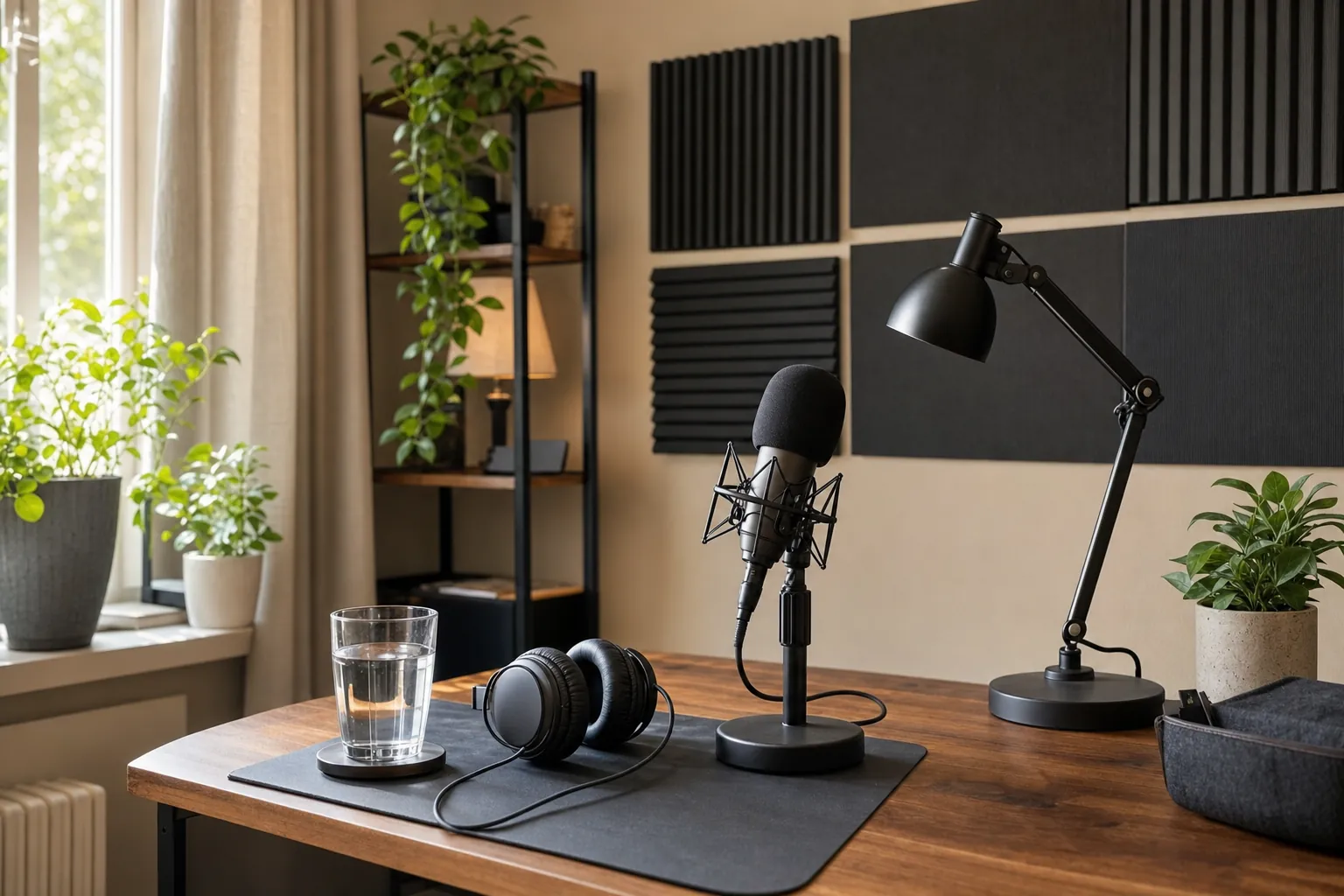
6. Prepare the parts listeners see before they press play
Your title, cover artwork and show description have one job: make the right person understand the show quickly. A clever title that does not suggest the subject can make discovery harder. A long description that starts with the host's biography can lose the listener before it explains why the show is useful.
Write the show description in plain language. Lead with the listener benefit and subject. Then explain the format or host perspective if it adds confidence. Keep the artwork clean enough to read at a small size. Test it on a phone before treating it as final.
Episode titles deserve the same attention. They should give a specific reason to listen, not merely repeat the guest's name. A good title can name the question, tension or outcome. The guest's name can still appear, but it should not have to carry the whole promise.
7. Set up hosting and distribution before launch week
Your hosting service creates the feed that listening platforms use to receive new episodes. Check the details before you publish: show title, description, artwork, owner email, category, episode type and any required content fields. The feed is the durable link between your production process and the places listeners find the show.
Platform requirements evolve, so use the current guidance rather than an old checklist. Apple's own support materials note that a show added by URL needs a valid podcast RSS feed. Spotify for Creators says its hosted shows receive an RSS feed after the first episode is published, and that feed can then be enabled for distribution beyond Spotify. Apple's RSS guidance and Spotify's feed instructions are useful checks when you are ready to submit.
Give platforms time to process the show. Do not leave this until an hour before you want to announce it. If you host with Spotify for Creators, its current guidance says you can publish immediately or schedule a future date, and you need a verified account before publishing the first episode. Review the current publishing steps while you plan the release date.
8. Launch with enough to make the show feel real
A launch should make it easy for someone new to decide whether this is for them. That usually means more than a trailer. Put enough finished work into the first release that a new listener can hear the range of the show and choose another episode immediately.
Prepare the release materials before launch day: episode descriptions, guest approvals where needed, still images or short clips, an email note, a simple social post and a direct link to the show. The point is not to flood every channel. It is to make one clear invitation that people close to the subject will actually want to share.
Guests and partners can be helpful amplifiers, but make their job easy. Give them a concise description, a link, a clean image and suggested wording they can adapt. A prepared guest is more likely to share because the work is already done for them.
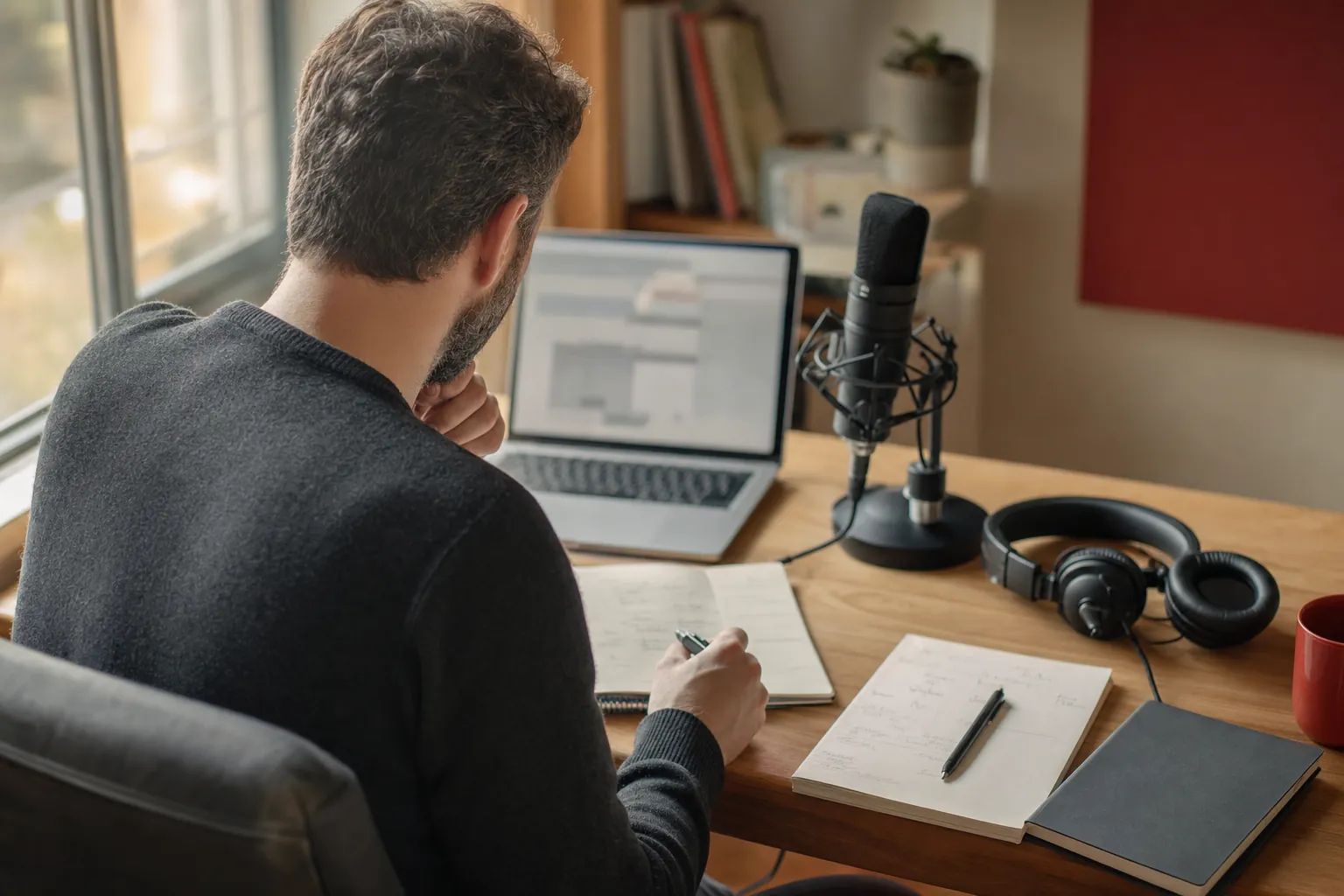
9. Treat the first month as a learning period
Do not change direction after one quiet week. A new show needs time to find the people who care about its subject. Instead, pay attention to the useful signals: which episode descriptions earn replies, which topics guests are eager to discuss, where listeners come from and whether the production rhythm is manageable.
Review the work after the opening run. Keep the parts that make the show recognizably yours. Tighten the parts that create drag. You may need a better guest briefing, a cleaner recurring question, a shorter opening or a more realistic release frequency. A small, steady improvement is more valuable than a complete reinvention every week.
Build the decision into the schedule. A regular production review keeps the show deliberate as it grows, rather than forcing you to diagnose everything after the process has become stressful.
10. Get help where it changes the quality of the show
You do not need to hand off every decision. But some parts of podcasting benefit from experienced editorial and production support: turning an expertise-heavy subject into a listenable format, preparing a host, shaping a pilot, improving interview pace, cleaning sound and creating a release process that the team can sustain.
Mark McDonald brings experience from broadcast journalism, public radio, production and teaching to the practical work of making a show. Production support can cover the weekly detail, while presentation coaching helps hosts sound clearer and more at ease. For a conversation about a specific show, contact Mark to arrange a free consultation.
Podcast launch checklist
- Define the listener and the promise of the show.
- Choose a format and release rhythm you can keep.
- Plan a small opening run of useful episodes.
- Record and review a pilot before the public launch.
- Test the room, recording process and file backup routine.
- Prepare clear artwork, a useful show description and specific episode titles.
- Set up hosting, RSS distribution and platform submission early.
- Prepare a simple, shareable release plan.
- Review the first month and improve the process, not just the promotion.
Frequently asked questions
How many episodes should I have ready before launching a podcast?
Have enough finished work to make a useful first impression and enough breathing room to keep your promised rhythm. For many interview or expert-led shows, that means a short opening run plus at least one additional episode in progress. The right number is less important than proving the show has a clear purpose and a realistic production plan.
Do I need expensive equipment to launch a podcast?
No. A quiet room, a suitable microphone, closed-back headphones and a reliable recording setup matter more than a long shopping list. Spend carefully on the parts that affect clarity and consistency, then improve as the format and audience become clearer.
Should I launch a podcast with video?
Add video when it helps the audience understand, trust or share the conversation. It can be valuable for interviews, demonstrations and public-facing experts, but it also adds production decisions. A strong audio-first workflow is often the right place to begin.
How long does it take to launch a podcast?
The timeline depends on how settled the idea is, how many people are involved and how much production support is needed. The goal is not to rush a date. Give the format, pilot, artwork, recording process and release plan enough time to be tested before the first episode is public.